Generator Installation in Savannah, GA
One machine, five trades: concrete, gas fitting, electrical, permitting, and commissioning. We run the whole project and hand you a house that reacts to an outage in about ten seconds — automatically, whether you're home or halfway up I-16.
What an installed system costs here
Installed pricing in coastal Georgia is driven by three levers: the kilowatt rating, the fuel situation, and the distance between the unit, the gas meter, and your electrical panel. The ranges below cover the complete project — equipment, pad, fuel line, automatic transfer switch, permits, and startup — not a bare unit price with the real costs hiding in the fine print.
| System | Typical kW | Installed range | Fits |
|---|---|---|---|
| Essentials coverage | 10–14kW | $6,000–$9,000 | Fridge, lights, outlets, well pump, one cool room |
| Most-of-home | 16–20kW | $8,000–$11,000 | Average Savannah house incl. central AC, with load management |
| Whole-home | 20–26kW | $9,500–$16,000 | Everything runs, no juggling — the most common request |
| Large whole-home | 26kW+ | $14,000–$24,000 | 3,500+ sq ft, dual AC systems, pool equipment, workshops |
Ranges reflect typical 2026 Savannah-area projects; long gas runs, panel upgrades, and LP tank installs adjust the number. Your written quote follows a site visit and is itemized. For what sits inside those ranges — and how to read any bid you collect — see the Savannah cost guide.
What "installed" includes — every line of it
- Load calculation & site visit. We measure the actual electrical demand of your house rather than guessing from square footage, and we walk the yard for the pad location — setbacks from windows and property lines, drainage, and code clearances all decided before anything is ordered.
- Concrete pad or composite base. Level, anchored, and rated for coastal wind-load requirements. On flood-zone lots we elevate to match the rules for mechanical equipment.
- Fuel connection. A properly sized natural-gas line from your meter — undersized gas piping is the most common defect we see in generator work — or LP plumbing and tank coordination where there's no main.
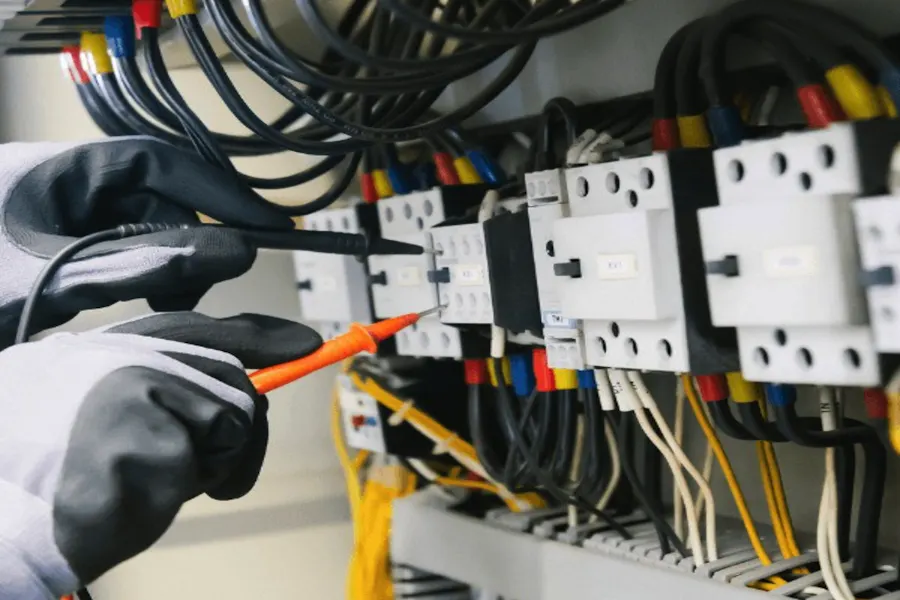
- Automatic transfer switch. The brains of the system, mounted at your panel: it senses the outage, starts the unit, shifts the house, and shifts back when Georgia Power returns.
- Permits & inspections. Electrical and gas permits in Chatham, Effingham, or Bryan county, inspections scheduled and passed, paperwork yours at the end.
- Startup & commissioning. A full simulated outage before we leave — you watch the house drop, the unit catch, and the load carry. Then we set the weekly self-exercise schedule and show you the controller.
Brands, without the badge-collecting
We install and service all the major standby brands — Generac, Kohler, and Briggs & Stratton units all pass through our schedule — and we'll tell you plainly which model fits your load, your fuel, and your budget rather than steering you to whatever's on a shelf. The machine matters less than most buyers think; the sizing, the gas pipe diameter, and the quality of the commissioning matter more.
The timeline, honestly
On-site work is one to two days. The full project — site visit, quote, equipment, permits, install, inspection — typically runs two to six weeks in a normal season. After a named storm it is a different world: units go on back-order regionally and every installer's calendar fills for months. If you're reading this in a calm week, that's the moment the math favors. If you're reading it by phone flashlight, call anyway — (912) 454-6565 — and we'll be straight with you about the queue.
Where the projects differ by town
A Pooler new-build with gas at the street is the cleanest install we do; a Richmond Hill place on a well needs pump math in the sizing; parts of Rincon and greater Effingham run on LP; Wilmington Island adds salt-air and flood-zone considerations; and older Georgetown panels sometimes need an upgrade alongside the transfer switch. Each town page covers its own wrinkles.
Installation questions we answer weekly
How much does a standby generator cost installed?
How long from deposit to a working generator?
Natural gas or propane?
Do I need permits?
A measured quote beats a guessed one.
Send the basics through the quote form or call — either way the next step is a site visit and a written, itemized number.
Call (912) 454-6565